Plastic or steel?The environment has a say too.
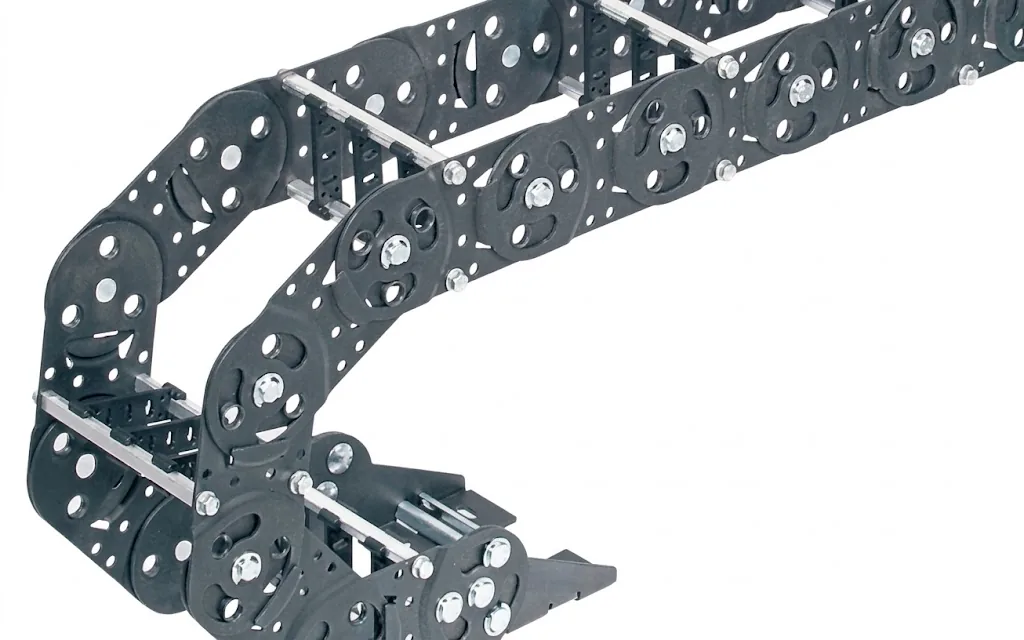
Most machines run perfectly well with a plastic cable carrier: light, quiet and affordable. Steel comes into play for long self-supporting lengths, heavy packages, heat or an environment where plastic cannot cope.
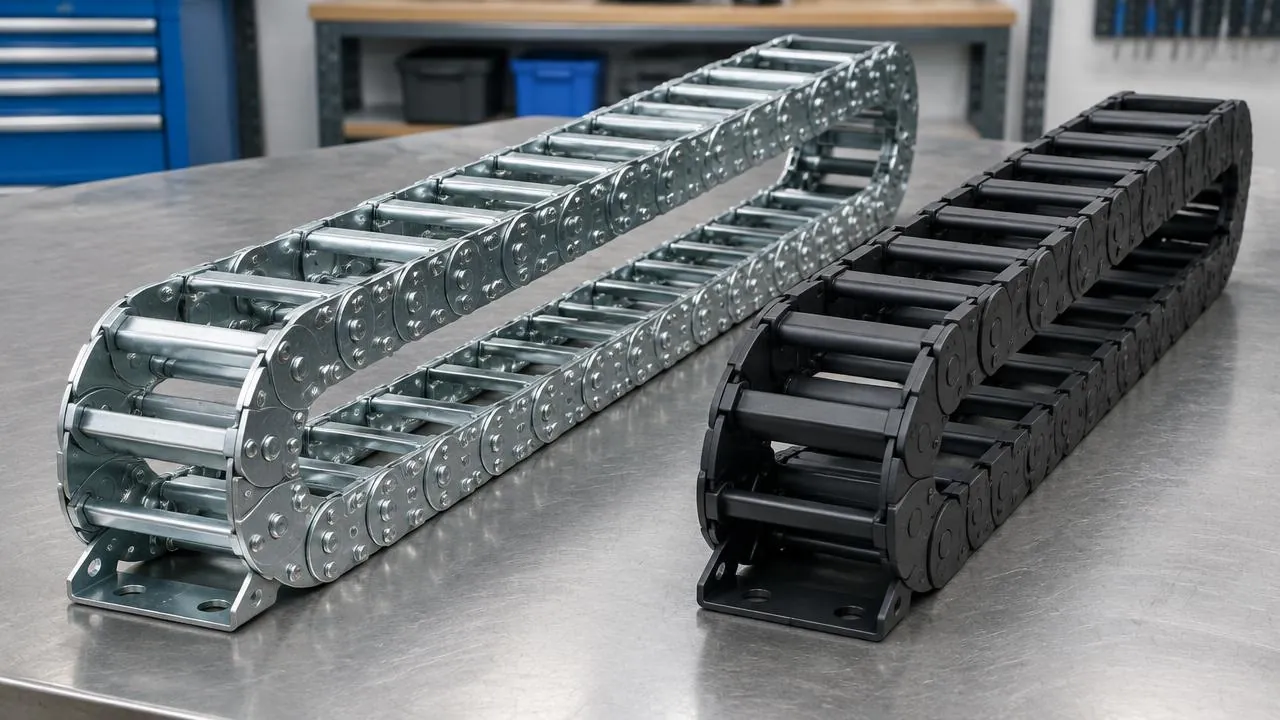
The difference in one table
| Criterion | Light, quiet and economicalPlastic | Strong, heat-resistant, long self-supporting lengthsSteel |
|---|---|---|
| Weight | Low: little mass moving along | Higher: more mass |
| Self-supporting length | Good for short and medium strokes | Long self-supporting lengths and heavy packages |
| Speed and noise | Suitable for high speeds, quiet series available | Robust, less focused on quiet running |
| Heat and chips | Sensitive to hot chips and high temperatures | Resistant to heat and hot chips |
| Chemicals and UV | Depending on the plastic | Stainless steel for aggressive environments |
| Custom | Fixed dimensions per type, many series | Great freedom in width and layout |
| Price | Usually more economical | Higher investment, long service life in tough conditions |
Choose plastic for
- Machine building, handling and automation
- High speeds and accelerations
- Light to medium-heavy cable packages
- Clean or lightly contaminated environment
Choose steel for
- Long self-supporting lengths
- Heavy cables and hoses
- Heat, hot chips or weld spatter
- Cranes, steel industry and offshore
Conclusion
Start with plastic unless the travel length, the weight or the environment does not allow it. If you are unsure, we calculate both.
Start the cable carrier configuratorRange
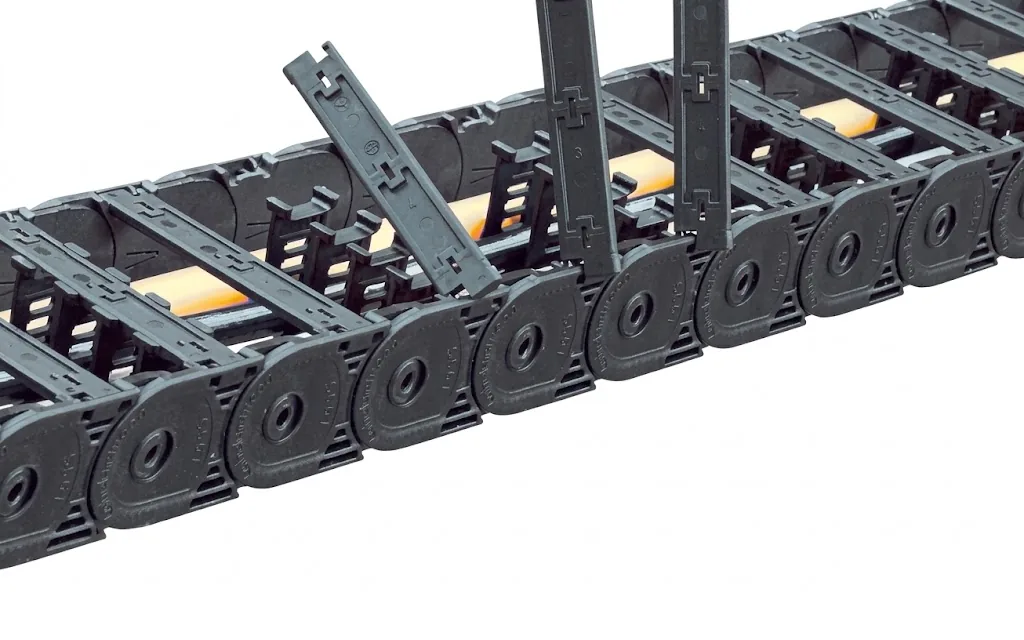
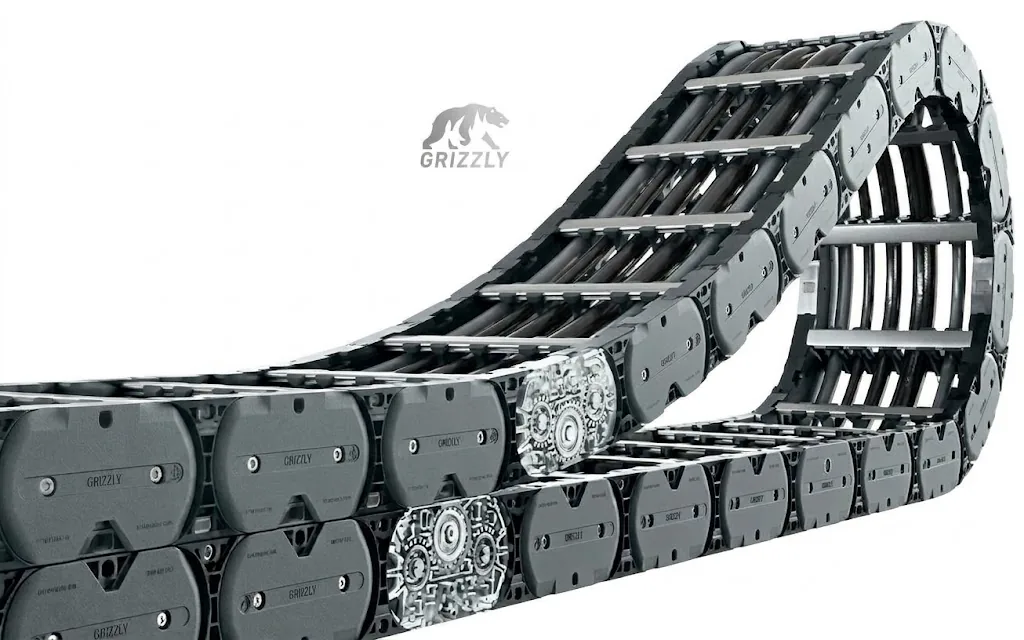
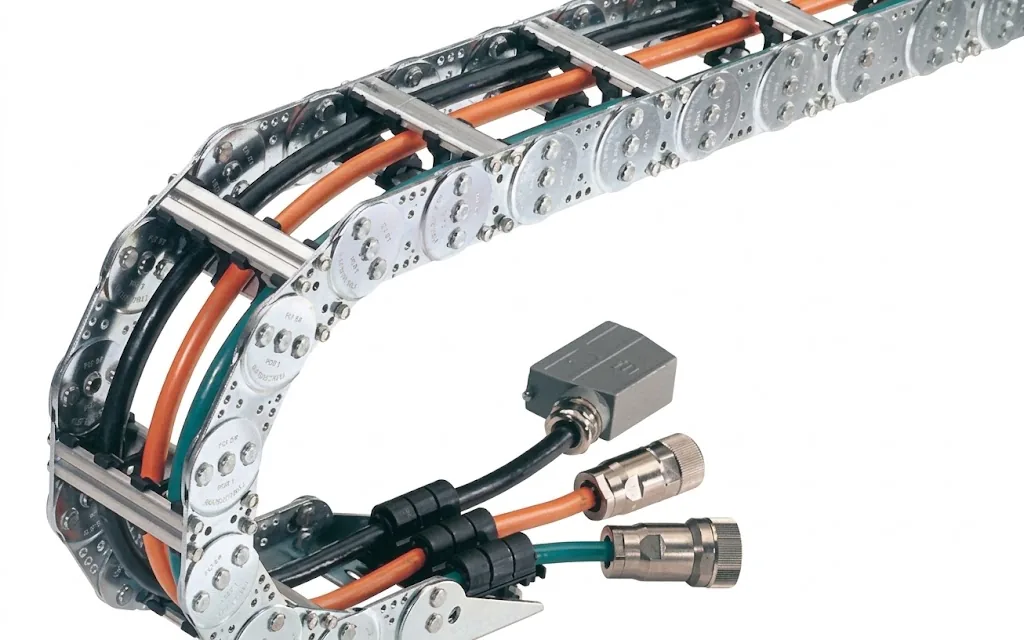
Series to start with
Frequently asked questions
Plastic or steel: frequently asked questions
Compare
Other choices
Plastic or steel
Still not sure?
We calculate both.
Send the travel length, speed and cable package. A specialist advises within 1 working day.
Call a specialist




- Phone+31 88 002 3500
- E-mailverkoop@wisman-techniek.nl
- AvailableMon–Fri 08:30–17:00
11 specialists in Ruurlo
You speak directly to someone who knows.