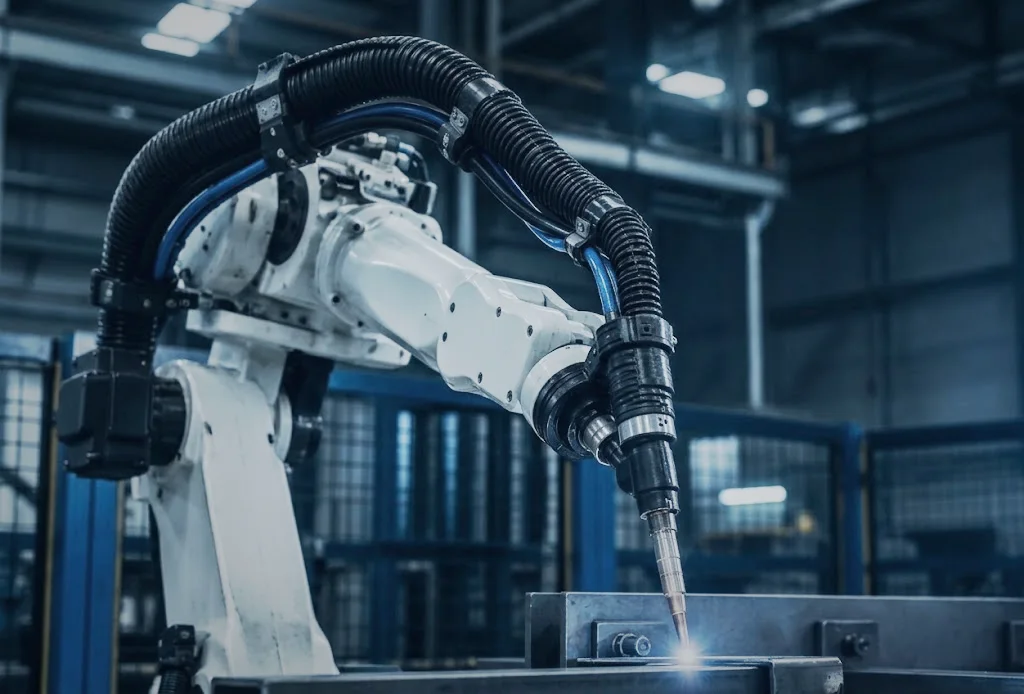
Welding robots are becoming easier and easier to program. This week FANUC showed how a welding program is built automatically from a scan of the workpiece. That saves a lot of setup time.
Where failures really originate
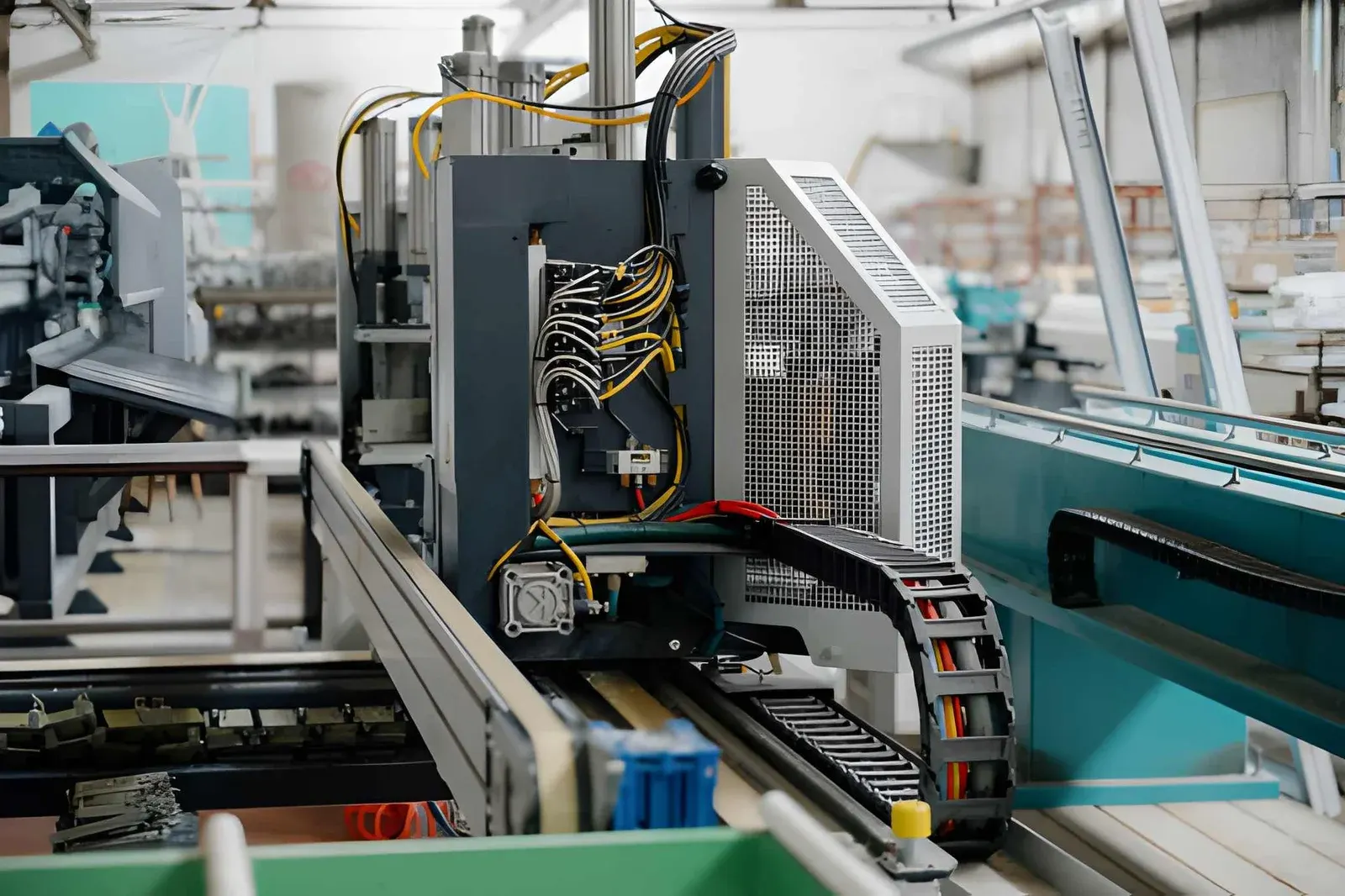
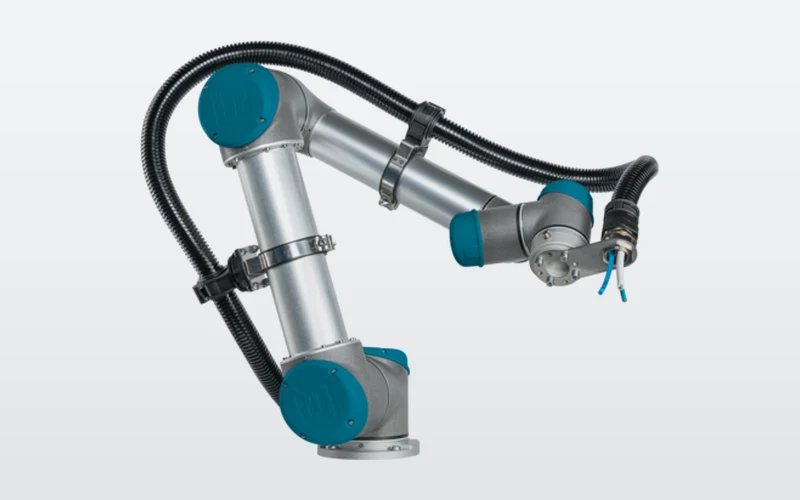
In practice, however, most failures in welding robots do not originate in the software. They originate in the package of hoses and cables running to the torch, due to spatter, heat, torsion and chafing along the arm.
Four weak spots
- (01)Spatter and heat: weld spatter burns through an unprotected hose. Heat protection over the hose catches it.
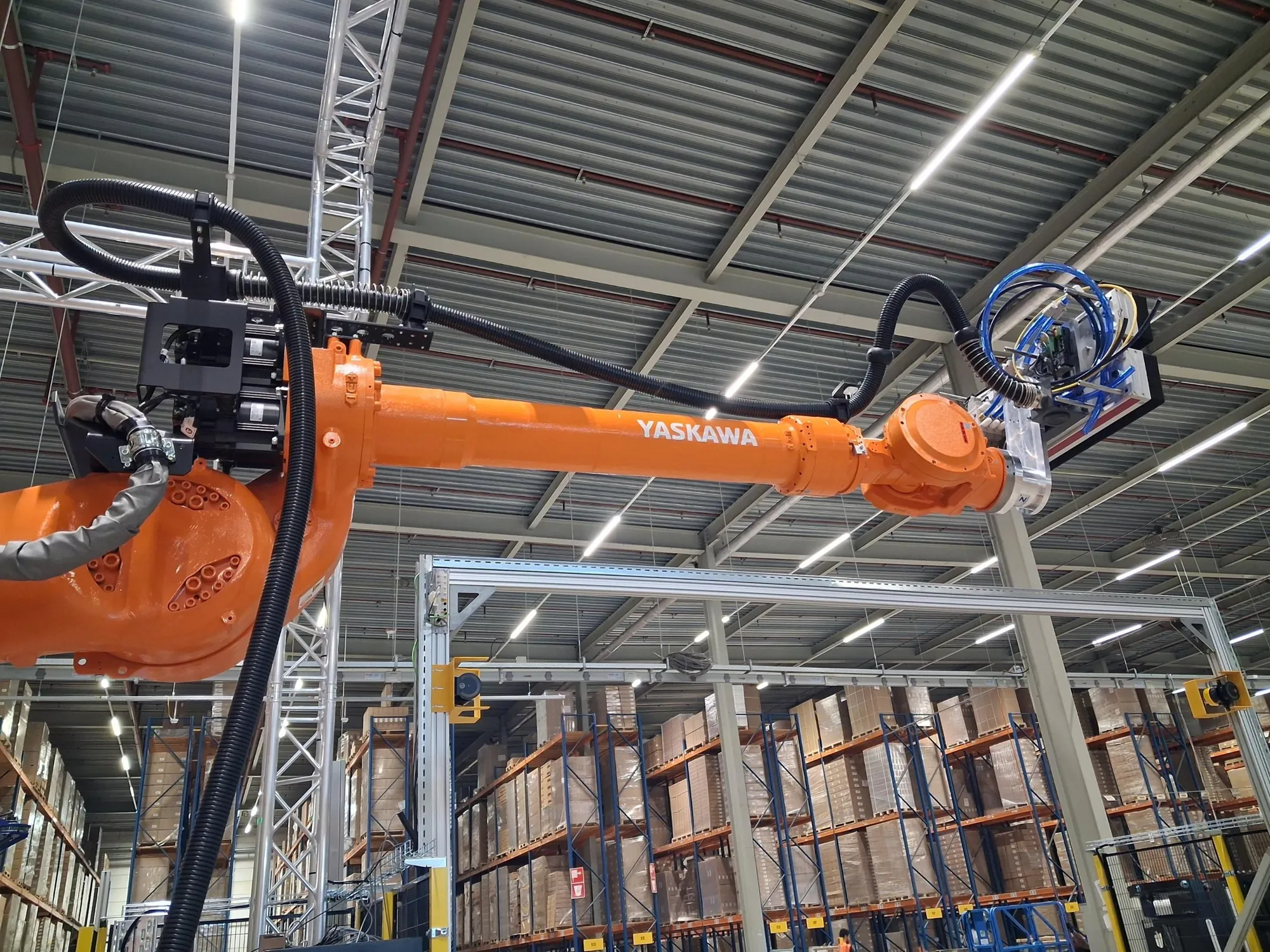
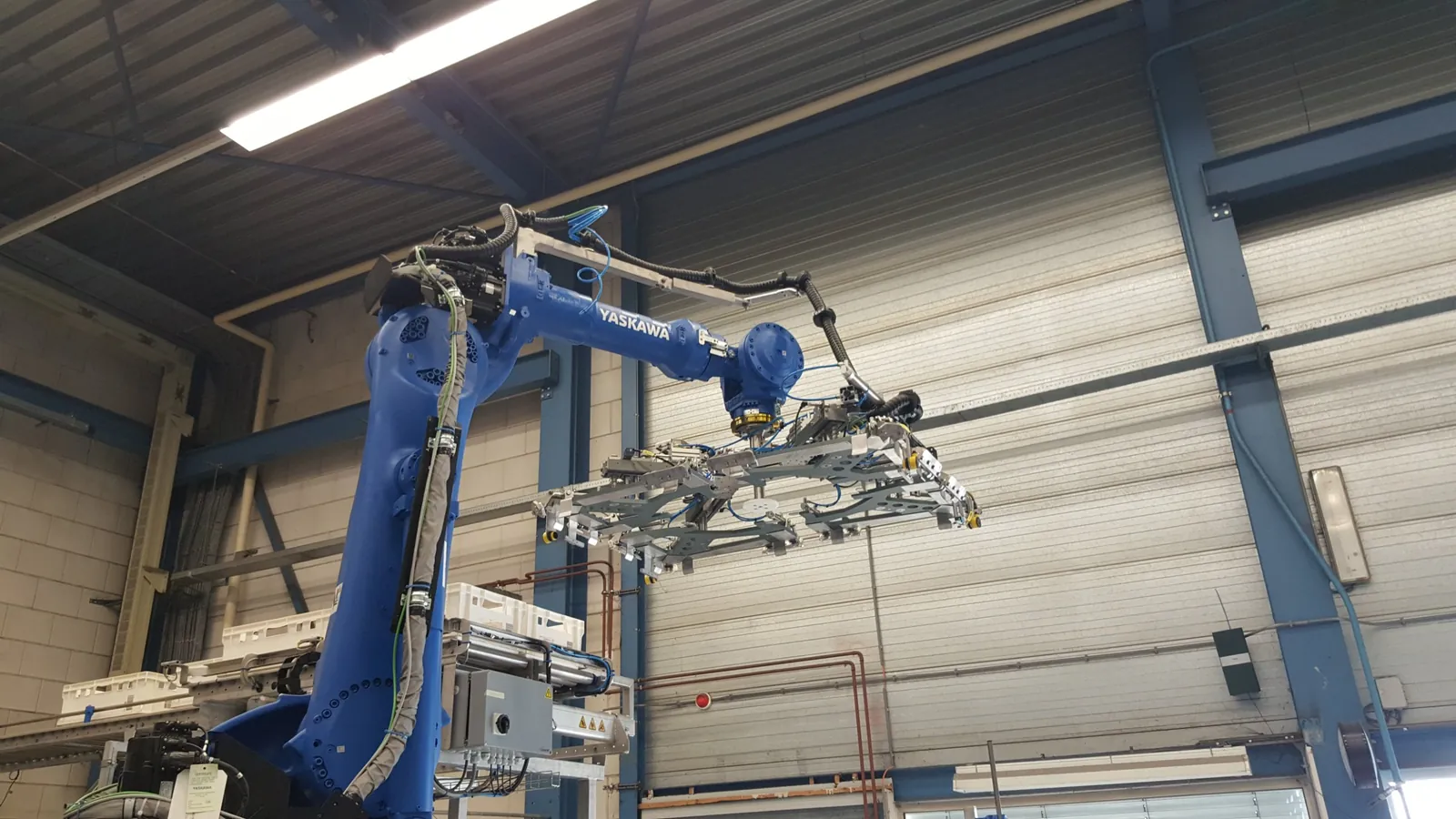
- (02)Torsion at the wrist: axes 4 to 6 rotate the most. Without proper guidance, the package is twisted every time.
- (03)Rubbing along the arm: a package that hangs loose rubs against the upper arm with every movement.
- (04)Too much or too little slack: too tight creates tension on the connections, too loose causes whipping and snagging.
Tailored to the movement pattern
Wisman Techniek engineers and assembles Reiku dress packs for welding robots. We match guidance, retraction and protection to the robot's motion pattern. This keeps the welding wire feed stable and makes hoses last longer.
Faster programming only really saves time if the robot then keeps on welding.
Calculate it yourselfDress pack configuratorConfigure a dress pack for your robotOpen the dress pack configurator